


Like a modern-day twist on the American Dream, container-based homes offer an intriguing alternative to traditional housing. You might be wondering just how much these innovative structures can set you back. The costs can vary widely, influenced by factors such as design, customization, and location. From the initial purchase of the containers to the hidden expenses of utilities and permits, every aspect contributes to the overall price tag. So, what's the real financial commitment you should expect if you decide to take the plunge into container living?
Overview of Container Home Costs
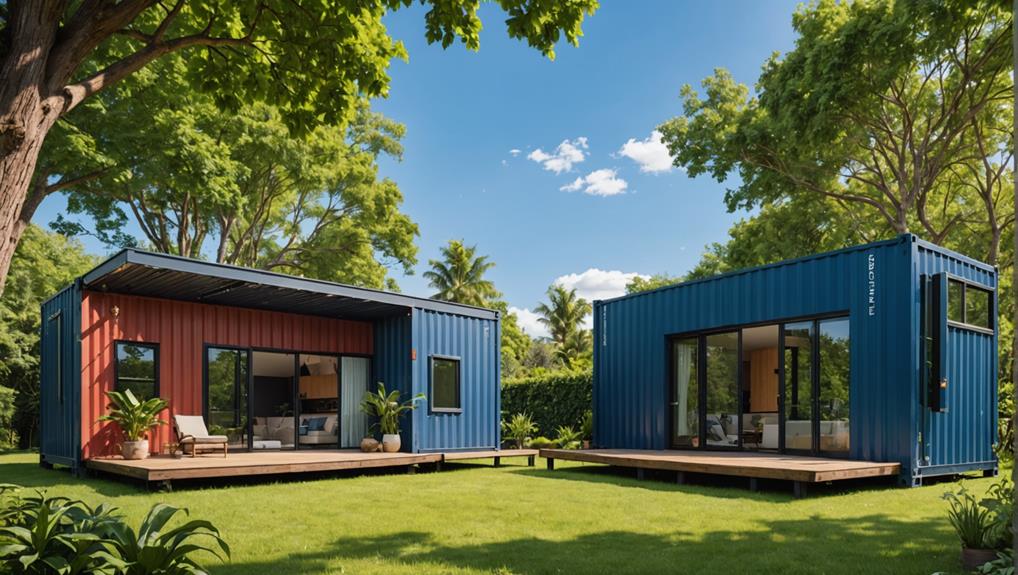
When considering container homes, it's essential to understand the costs involved. These homes can offer a unique and affordable living solution, but expenses can quickly add up. First, you'll need to assess the overall project budget, which typically includes design, construction, and finishing costs.

You'll want to factor in not just the container itself, but also expenses for site preparation, utilities, and permits. Depending on your location, local building codes may require additional investment for insulation, plumbing, and electrical systems.
Additionally, customization can greatly influence the total cost. If you're planning on adding windows, doors, or specific interior layouts, those modifications can raise the price. Labor costs are another important aspect; hiring skilled professionals for installation and finishing can further increase your budget.
Initial Container Purchase Price
Understanding the initial container purchase price is key to budgeting for your container home project. The cost of shipping containers can vary widely based on factors like size, condition, and location. Typically, a used 20-foot container might range from $1,500 to $3,000, while a new one can cost between $3,000 and $5,000. If you're looking at a 40-foot container, expect to pay around $2,500 to $6,000 for used options, with new containers generally higher in price.
When you're shopping, keep in mind that prices can fluctuate based on demand and availability. Containers in good condition will naturally cost more, so assess what you're willing to invest. Additionally, consider transportation costs; getting your container delivered can add several hundred dollars, depending on the distance from the seller.
It's also worth noting that you might find specialized containers, like those modified for specific purposes, which can greatly impact your budget. Overall, being informed about the initial purchase price will help you make a sound financial decision as you begin your container home journey.
Design and Architecture Expenses
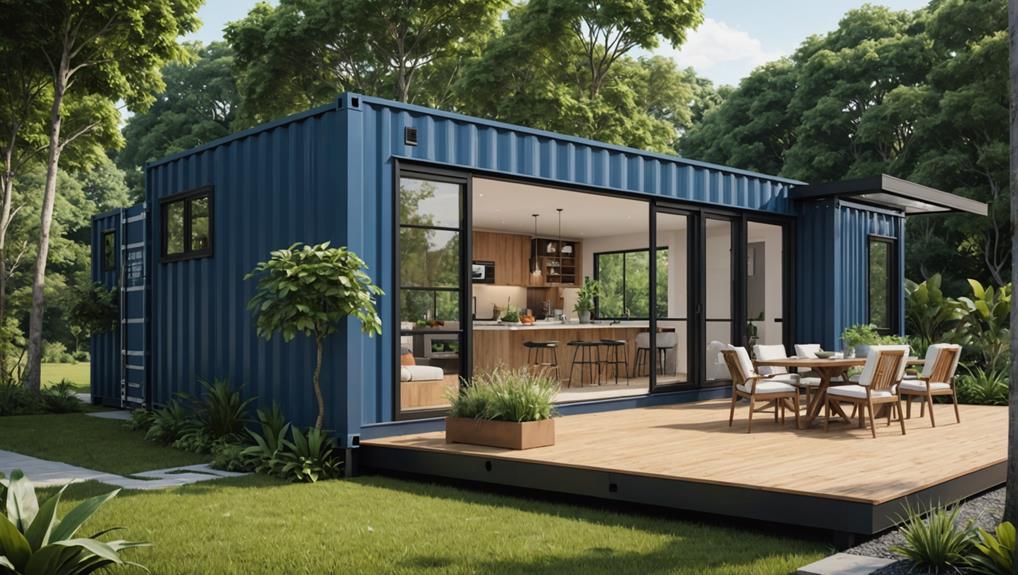
When planning your container home, you can't overlook design and architecture expenses. Architectural design fees can vary considerably based on your project's complexity, while customization costs might add up quickly if you want a unique layout. Understanding these expenses upfront will help you budget effectively and bring your vision to life.


Architectural Design Fees
Architectural design fees can greatly impact the overall cost of your container-based home project. When you're planning, it's vital to factor in these expenses, as they can vary widely based on a few key elements. Typically, architects charge either a flat fee or a percentage of the total construction cost. This means that if you opt for more elaborate designs or features, you could see those fees rise considerably.
It's essential to communicate your vision clearly to your architect. By doing so, you can help minimize unnecessary revisions that could inflate costs. Additionally, consider whether you'd prefer a local architect familiar with container homes or someone with a more general background. A specialized architect might charge more upfront but could save you money in the long run by avoiding design pitfalls.
Don't forget to account for design consultations and any additional drawings or plans you might need. These can add up quickly, so make sure you're aware of all potential costs. By budgeting for architectural design fees early on, you can better manage your overall expenses and make informed decisions throughout the building process.
Customization Costs
Customization costs can greatly influence the budget for your container-based home. When you decide to personalize your space, it's essential to account for various design and architecture expenses that can quickly add up. Here are some key factors to take into account:
- Architectural Plans: Hiring a professional to create detailed blueprints can range from a few hundred to several thousand dollars, depending on complexity.
- Interior Design: You might want to work with an interior designer to maximize space and aesthetics. This can cost anywhere from $50 to $200 per hour.
- Material Upgrades: If you're looking at premium finishes or eco-friendly materials, expect to spend considerably more than standard options.
- Custom Features: Adding unique elements like skylights, large windows, or innovative layouts can increase your overall construction costs by thousands.
Modifications and Customization Costs
When you're transforming a shipping container into your dream home, structural modifications can greatly impact your budget. You'll also want to take into account interior design costs, which can vary based on your style and preferences. Understanding these expenses upfront can help you plan your project more effectively.

Structural Modifications Expenses
To create a comfortable and functional container home, you'll likely need to invest in structural modifications. These adjustments guarantee the container meets your needs and can withstand environmental factors. Here are four common structural modifications to take into account:
- Reinforcement: You may need to reinforce the container's walls and roof, especially if you're cutting large openings for windows or doors. This helps maintain the container's structural integrity.
- Insulation: Proper insulation is essential for energy efficiency and comfort. You'll want to invest in materials that suit your climate, whether it's spray foam, rigid board, or traditional insulation.
- Windows and Doors: Installing energy-efficient windows and sturdy doors can enhance security and aesthetics. The costs vary depending on the materials and sizes you choose.
- Foundation Work: Depending on your location, you might need to invest in a foundation. This could range from a simple gravel pad to a more complex concrete slab, guaranteeing stability for your container home.
Interior Design Costs
Designing the interior of your container home can greatly impact both its functionality and aesthetic appeal. When you start customizing, you'll encounter various costs associated with modifications. First, consider insulation and drywall installation, which can range from $1,500 to $4,000, depending on the size of your space.
Next, think about flooring. Whether you choose hardwood, laminate, or tiles, expect to spend between $3 to $10 per square foot. Kitchen and bathroom fixtures can also add up quickly. High-quality cabinetry and appliances might cost $5,000 to $15,000, while plumbing and electrical work can run between $1,000 and $3,000.
Don't forget about lighting and decor, which can vary widely based on your style. A well-designed lighting scheme can enhance your home's ambiance and typically costs around $500 to $2,000.

Lastly, if you're hiring an interior designer, their fees can range from $50 to $200 per hour. Overall, budgeting for interior design can greatly elevate your container home experience, creating a space that's both functional and inviting.
Transportation and Site Preparation
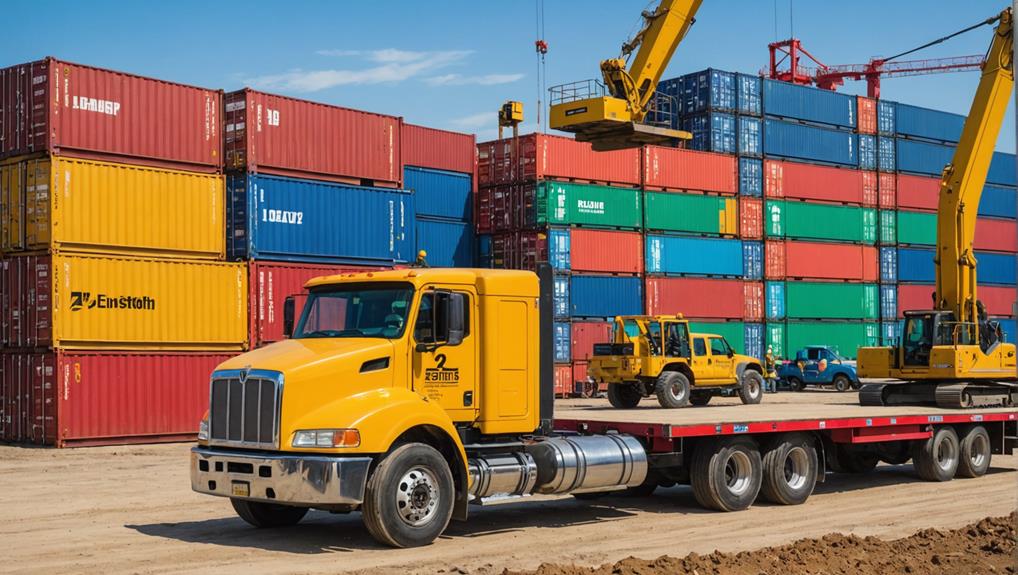
Transporting a container home to your site requires careful planning and execution. You'll need to take into account several factors to guarantee a smooth delivery and setup. Here are four key items you should keep in mind:

- Permits: Before anything else, check with your local authorities about permits required for transporting and placing a container home. Each area has its own regulations.
- Transportation Costs: Hiring a specialized transport company can add to your cost. Get quotes from multiple providers and confirm they have experience with container homes.
- Site Preparation: Your site needs to be ready for the container. This might involve leveling the ground, guaranteeing proper drainage, and possibly adding a foundation. The more prepared your site is, the smoother the installation will go.
- Access Considerations: Make sure there's adequate access for the transport truck. Think about things like road width, overhead clearance, and any obstacles that might impede delivery.
Utility Installation Fees
When setting up your container home, budgeting for utility installation fees is essential. These costs can vary greatly based on your location, the services you need, and the complexity of the installation. You'll typically have to connect to water, electricity, and sewage systems, which can add up quickly.
For water, you may need to install plumbing lines, which could range from a few hundred to several thousand dollars, depending on distance to the main line and local regulations. Electricity installation also comes with its own set of fees. You might need to hire an electrician to run wiring and install outlets, usually costing anywhere from $1,000 to $3,000.
Don't forget about sewage connections, either. If you're not using a septic system, connecting to the municipal sewer could incur additional charges. These fees can vary widely, with costs often ranging from $500 to $3,000.
Financing Options for Container Homes
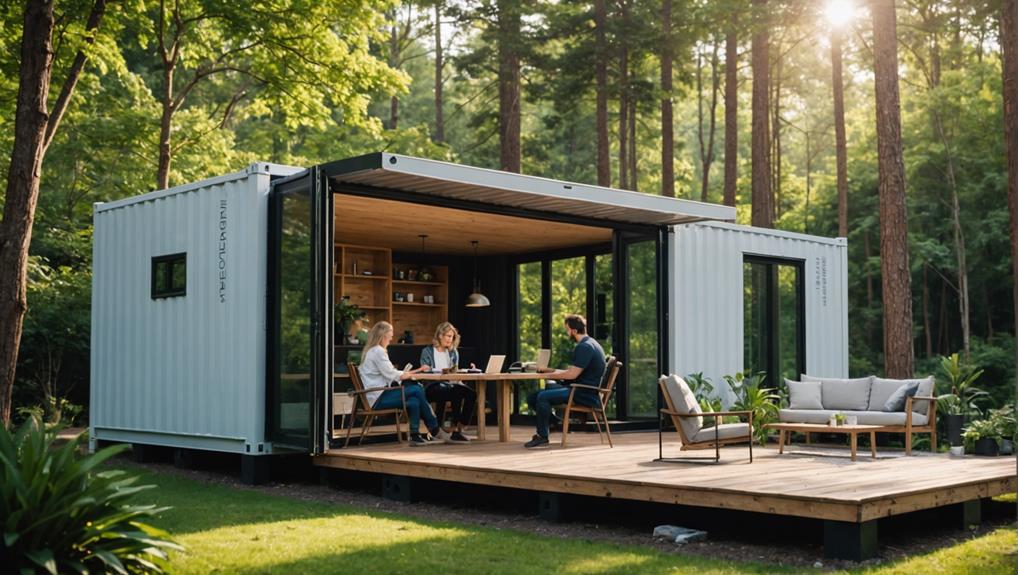
Exploring financing options for your container home can make the dream of owning one more attainable. With various avenues available, you can choose what best fits your financial situation. Here are some options to evaluate:
- Personal Loans: These unsecured loans can help cover the cost of your container home. Interest rates might be higher, but they often come with flexible repayment terms.
- Construction Loans: If you plan to build or modify your container home, a construction loan can provide funds for both the home purchase and the construction costs. Remember, you'll need a solid plan and timeline to secure this type of financing.
- Mortgages: Some lenders are starting to offer mortgages specifically for container homes. Be prepared to present your plans and possibly a higher down payment.
- Government Programs: Look into local or state programs that support alternative housing. These can sometimes offer grants or low-interest loans to help you get started.
Long-Term Maintenance Expenses
Owning a container home comes with unique long-term maintenance expenses that you should factor into your budget. While these homes can be cost-effective initially, it's essential to understand ongoing costs to guarantee your investment remains sound.
First, you'll need to keep an eye on the exterior. Container homes require regular inspections for rust and corrosion, particularly if you live in a humid or coastal area. Applying protective coatings can mitigate this, but it comes with its own costs.

Next, consider your insulation and HVAC systems. Depending on your climate, you may need to invest in upgrades or repairs to maintain energy efficiency over time. Regular maintenance will help you avoid higher energy bills down the line.
Don't forget about plumbing and electrical systems. Regular checks can prevent costly repairs and guarantee everything runs smoothly. Landscaping and foundation maintenance are also necessary to protect your home from environmental factors.
Lastly, you might want to budget for unexpected repairs. Setting aside a contingency fund can help you navigate any unforeseen issues without financial strain. Planning for these long-term maintenance expenses will help you enjoy your container home for years to come.
Read The Next Blog Post –
In the grand tapestry of modern living, container homes offer a unique thread woven with affordability and creativity. While the initial costs may seem challenging, remember that investing in a container home isn't just about the price tag; it's about crafting a space that reflects your vision. As you navigate the expenses, consider how this innovative choice could reshape your lifestyle, turning a simple container into a cherished sanctuary. After all, home is where your journey begins.


