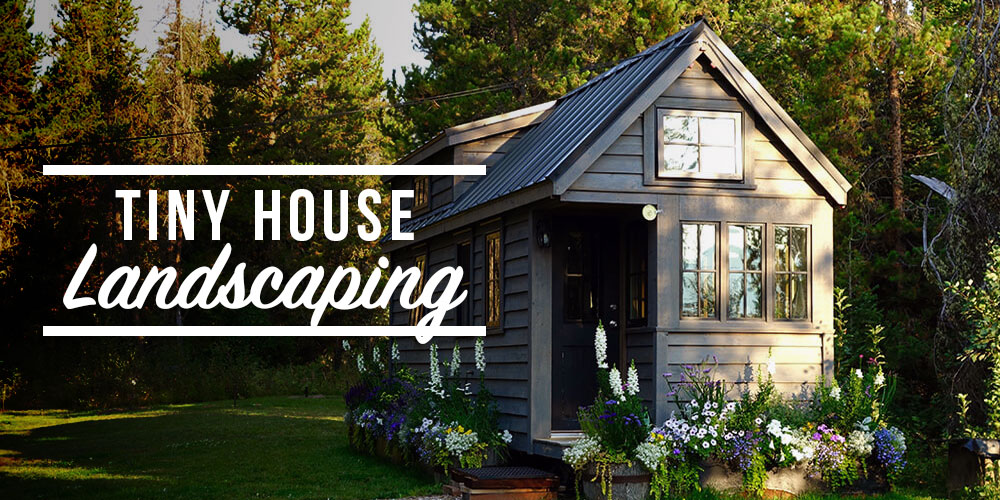


At Tumbleweed Tiny House Company, we are passionate about creating healthy, sustainable living spaces. A common misconception about Low VOC (Volatile Organic Compounds) homes is that the term only applies to the paint used on walls. However, a truly Low VOC home encompasses much more than just paint—it involves a comprehensive approach to all materials and building practices. Let’s dive into what Volatile Organic Compounds are, why they matter, and how Tumbleweed ensures that our Low VOC tiny homes provide a safe and healthy environment for you and your loved ones.

What Are VOCs and Why Should You Care?
VOCs are chemicals that easily evaporate at room temperature and can be emitted from various building materials, furnishings, and household products. Common sources include paints, adhesives, sealants, carpets, and even some types of wood. High levels of VOCs in indoor environments can lead to a range of health issues, including headaches, dizziness, respiratory problems, and long-term chronic conditions. Reducing exposure to VOCs is crucial for maintaining good indoor air quality and ensuring a healthy living environment.
The Common Misconception: It’s Not Just About Paint
When people hear “Low VOC,” they often think of paint. While it’s true that paint can be a significant source of VOCs, it’s just the tip of the iceberg. A genuinely Low VOC home takes into account all the materials and products used throughout the construction and finishing process. At Tumbleweed, we go beyond the basics to ensure every element of your tiny home contributes to a healthier living space.
Tumbleweed’s Comprehensive Approach to Low VOC Tiny Homes
Here’s how we make sure every Tumbleweed Low VOC tiny home is robust in its detail:
- Low VOC Materials Throughout: We carefully select low VOC materials for every part of the home. This includes the wood used for subfloors, flooring, stairs, and walls. By choosing materials that emit fewer harmful chemicals, we help keep your indoor air clean and safe.
- No Glue Policy: To further reduce VOC emissions, we avoid using any glues in our construction process. Instead, we screw or nail everything together, ensuring a strong, durable build without the added toxins.
- Custom Kitchen Cabinets: Most commercially available kitchen cabinets are treated with high VOC adhesives and finishes. To counter this, we source oak box kitchen cabinets that don’t use toxic glues. We also leave them unstained, giving you the freedom to choose a finish that suits your taste and meets your health standards.
- Natural Interior Finishes: Inside our tiny homes, we finish all the walls with low VOC pine wood, which doesn’t require any paint or sealant, offering a natural, beautiful finish that’s also safe for indoor air quality. For countertops, which do require a sealant, we use natural oils to seal them, ensuring a non-toxic, eco-friendly finish.
- Exterior Finishes: The exterior of our homes is either painted with low VOC paint or finished with a low VOC stain, especially if the home features natural wood siding. This ensures that even the outside of your home is contributing to a healthier environment.
- Reverse Osmosis Water Filtration: To ensure clean and safe drinking water, we install a reverse osmosis water filtration system for the kitchen sink, giving you peace of mind with high-quality water purification.
Why Choose a Tumbleweed Low VOC Tiny Home?
By choosing a Tumbleweed Low VOC tiny home, you’re investing in more than just a beautiful and efficient living space—you’re prioritizing your health and well-being. Our commitment to using low VOC materials and avoiding harmful chemicals wherever possible means you can breathe easy and enjoy a cleaner, safer home.
Whether you’re concerned about allergies, sensitive to chemicals, or simply want to live in a healthier environment, our low VOC tiny homes offer peace of mind and a commitment to quality that you can trust.

Source link