


Did you know that properly maintained shipping container homes can last over 25 years? To guarantee your container home stands the test of time, it's essential to contemplate various strategies that extend its durability. From selecting high-quality containers to implementing effective insulation, each choice plays a significant role. But what other specific methods can you adopt to safeguard your investment against environmental challenges? Exploring these tactics could provide the insights you need for a resilient living space.
Choose Quality Containers

Choosing quality containers is essential for guaranteeing the longevity of your shipping container home. When you begin your journey, inspect the containers carefully. Look for signs of rust, dents, or structural damage. You want containers that have minimal wear and tear, as these issues can lead to bigger problems down the line.

Next, consider the age of the containers. Newer ones generally offer better durability and fewer repairs. If you're opting for used containers, verify they've been properly maintained and have a clean history, especially regarding their previous cargo.
Also, check for the container's certification. A CSC (Container Safety Convention) plate guarantees that your container meets international safety standards, enhancing its reliability.
Additionally, think about the material. Choose containers made from corten steel, which is highly resistant to corrosion. This'll help your home withstand harsh weather conditions over the years.
Proper Insulation Techniques
Proper insulation techniques play an essential role in maintaining the comfort and durability of your shipping container home. Without proper insulation, temperature fluctuations can lead to condensation, rust, and deterioration of the container's structural integrity.
Start by choosing the right insulation material. Spray foam insulation is a popular choice due to its excellent thermal resistance and ability to seal gaps, preventing air leaks. If you prefer a more eco-friendly option, consider using rigid foam boards or cellulose insulation. Both options provide effective thermal barriers while also being sustainable.
When installing insulation, make certain you cover all surfaces, including walls, floors, and ceilings. Pay special attention to corners and joints, as these areas are prone to air leaks. Additionally, you might want to create an air gap between the insulation and the container walls to further reduce moisture buildup.


Effective Ventilation Systems

An effective ventilation system is essential for maintaining air quality and preventing moisture buildup in your shipping container home. Without proper airflow, humidity can accumulate, leading to mold growth and structural damage. To guarantee good ventilation, consider installing operable windows and vents that allow fresh air to circulate.
You might also want to incorporate exhaust fans in areas like the kitchen and bathroom to remove excess moisture and odors. A heat recovery ventilator (HRV) or energy recovery ventilator (ERV) can be a great investment, too, as these systems exchange stale indoor air with fresh outdoor air while minimizing energy loss.
Make certain to position vents strategically to promote cross-ventilation, which enhances airflow throughout the space. If your container home has multiple levels, consider installing a ceiling fan to help distribute air more evenly.
Lastly, always be mindful of the surrounding environment. If you're in a humid area, you may need to utilize dehumidifiers to maintain an ideal indoor atmosphere. By prioritizing an effective ventilation system, you'll greatly extend the lifespan of your shipping container home while guaranteeing a comfortable living environment.
Regular Maintenance Practices
Maintaining your shipping container home is essential for its longevity and structural integrity, especially after confirming adequate ventilation. Regular inspections should be your first step. Check for rust, dents, or any signs of water infiltration. Pay special attention to seams, joints, and the roof, as these areas are most vulnerable.

Next, clean the exterior at least twice a year. Use a mild detergent and a soft brush to remove dirt and debris. This simple step can prevent rust buildup and extend the life of your container. Don't forget to inspect and clean the gutters, if applicable, to guarantee proper drainage.
Inside, keep the living space dry and free from mold by checking for leaks and maintaining good airflow. Regularly check your plumbing and electrical systems to catch any issues early.
Additionally, you should apply a protective coating to the exterior every few years. This will help shield your container from harsh weather conditions. Finally, if you notice any significant damage, don't hesitate to call in a professional. Addressing issues promptly will save you time and money in the long run. Regular maintenance not only preserves your home but also enhances your living experience.
Strategic Site Selection
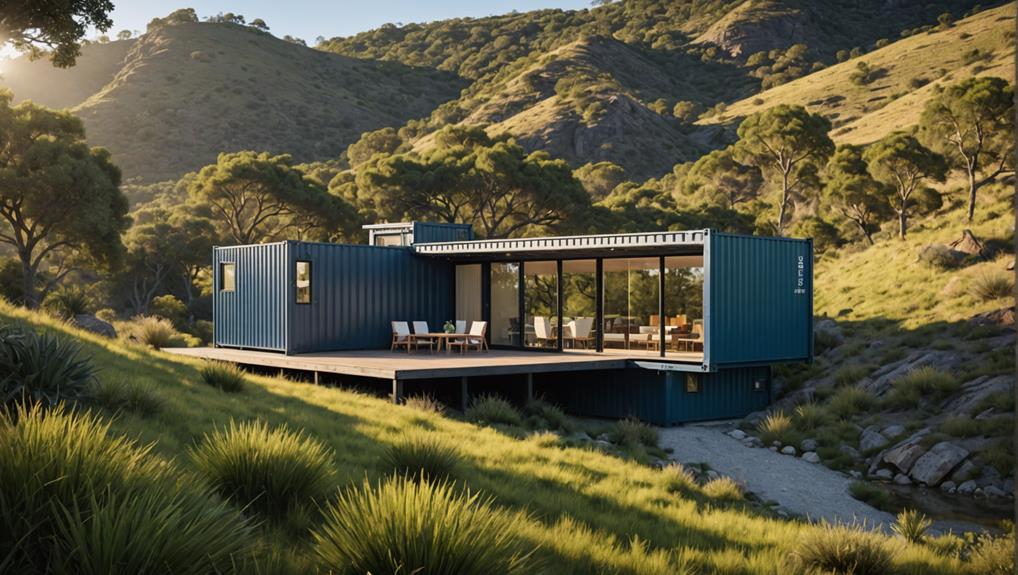
Choosing the right location for your shipping container home is vital, as it can greatly impact its durability and your overall living experience. Start by evaluating the land's topography. A flat or gently sloping site can help prevent water accumulation, reducing the risk of rust and deterioration. Avoid low-lying areas that might flood or gather moisture.

Next, consider the soil type. Well-draining soil is essential for foundation stability. If you're unsure about the soil quality, it's wise to conduct a soil test. This small step can save you from significant issues down the line.
Proximity to natural elements also plays a role. While you might love the view of trees, be cautious of placing your home too close to large vegetation that could, over time, cause damage. Additionally, think about sun exposure. A site with ample sunlight can help reduce moisture buildup and keep your shipping container dry.

Lastly, check local zoning regulations and building codes. Understanding these requirements can prevent future headaches and guarantee your home remains compliant. By strategically selecting your site, you're setting up your shipping container home for long-lasting success.
Weatherproofing Measures
After securing a suitable site for your shipping container home, addressing weatherproofing measures becomes a top priority to guarantee long-lasting durability. Weatherproofing protects your investment from the elements, making certain a comfortable and safe living space. Here are some essential strategies to take into account:
- Insulation: Proper insulation helps regulate temperature and prevents moisture buildup. Choose materials that suit your climate.
- Sealant Application: Use high-quality sealants on joints and seams to block water infiltration. Regularly check and reapply as needed.
- Roof Overhang: Incorporate a roof overhang or awning to shield your containers from harsh rain and sun exposure.
- Ventilation: Ensure adequate ventilation to prevent condensation and mold growth. Think about installing vents or using exhaust fans.
- Drainage: Design your landscaping for proper drainage away from the container. This minimizes water pooling around the structure.
Foundation Considerations
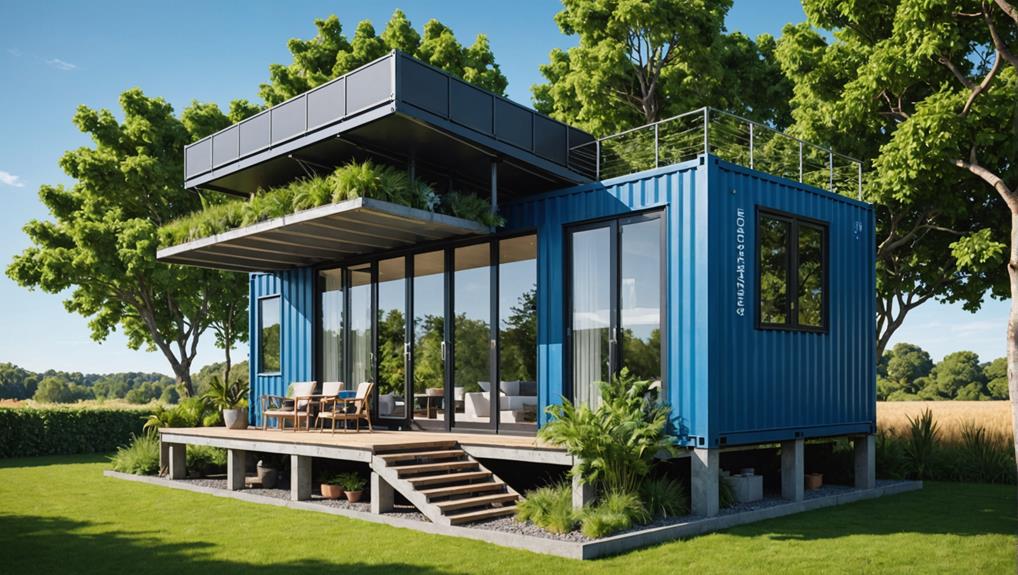
When building a shipping container home, the foundation you choose plays a critical role in its overall stability and longevity. You need to guarantee that the foundation can support the weight of the containers while also providing a level surface for construction. Several options are available, but each has its pros and cons.
Concrete piers are a popular choice as they elevate the containers off the ground, preventing moisture from seeping in. If you live in an area prone to flooding, consider using a raised foundation or a concrete slab to keep your home safe from water damage. Make sure to account for local soil conditions; poorly compacted soil can lead to shifting and settling over time.
You should also think about drainage. Effective drainage systems can prevent water accumulation around your foundation, which can cause erosion and weaken your home's base. Finally, consult with a structural engineer to guarantee your foundation meets local building codes and can withstand environmental factors like wind and seismic activity. With the right foundation, you're setting your shipping container home up for success and longevity.
Utilize Protective Coatings
To keep your shipping container home in top shape, consider applying protective coatings. Weather-resistant paint options can shield against the elements, while rust prevention techniques will help maintain the integrity of the metal. Additionally, don't overlook insulation and sealing methods to enhance durability and comfort.

Weather-Resistant Paint Options
Choosing the right weather-resistant paint can greatly enhance the durability of your shipping container home. Not only does it provide an attractive finish, but it also serves as a protective barrier against the elements. When selecting paint, consider these options that offer superior weather resistance:
- Acrylic Latex Paint: Offers excellent adhesion and flexibility, making it ideal for metal surfaces.
- Epoxy Paint: Known for its durability and resistance to moisture, it's perfect for high-traffic areas.
- Polyurethane Coatings: Provides a tough, glossy finish that withstands UV rays and extreme weather.
- Oil-Based Paints: These create a hard, protective layer and are great for rust prevention.
- Chalkboard Paint: Not only is it weather-resistant, but it can also give a unique, customizable look.
Before applying any paint, make certain to properly clean and prep the surface of your shipping container. This guarantees the paint adheres well and lasts longer. By investing in high-quality, weather-resistant paint, you'll protect your home from wear and tear while enhancing its aesthetic appeal.
Rust Prevention Techniques
Implementing effective rust prevention techniques is vital to extending the lifespan of your shipping container home. One of the best ways to combat rust is by applying protective coatings. Start by thoroughly cleaning the container's exterior to remove dirt, debris, and any existing rust. Once it's clean and dry, choose a high-quality rust-inhibiting primer. This primer creates a barrier that prevents moisture from reaching the metal surface.
After priming, apply a durable exterior paint designed specifically for metal surfaces. Look for paints that contain rust inhibitors, as they'll provide an extra layer of protection. If you're in a particularly humid or coastal area, consider using marine-grade coatings; these are formulated to withstand harsh conditions.
Additionally, you can add a protective sealant to vulnerable areas, such as seams and joints, where water might accumulate. Regular maintenance is essential—inspect your container periodically for any signs of rust or damage and address them promptly. By utilizing these protective coatings and staying vigilant, you'll greatly enhance your shipping container home's durability and keep it looking great for years to come.
Insulation and Sealing Methods
Your shipping container home's comfort and energy efficiency largely depend on effective insulation and sealing methods. To guarantee your home stays cozy in winter and cool in summer, you'll need to take into account various insulation materials and sealing techniques. One vital aspect is using protective coatings, which can greatly enhance the durability of your insulation.
Here are some strategies to keep in mind:
- Spray Foam Insulation: Offers excellent thermal resistance and seals gaps effectively.
- Fiberglass Batts: A cost-effective option, though it requires careful installation to avoid moisture issues.
- Reflective Insulation: Works well in hot climates by reflecting radiant heat away from the living space.
- Vapor Barriers: Essential for preventing moisture buildup, which can lead to mold and structural damage.
- Sealant Products: Use high-quality sealants on windows, doors, and joints to prevent air leaks.
Read The Next Blog Post –
In building your shipping container home, choosing quality containers and applying effective insulation can make all the difference. While regular maintenance keeps your home in top shape, strategic site selection guarantees it stands strong against nature's elements. By weatherproofing and utilizing protective coatings, you create a barrier against deterioration. Embrace the balance of strength and care, and your shipping container home will not only endure the test of time but thrive in its unique environment.


